OpenAI Image API Character Consistency: A Practical Guide for AI Influencers
By Emre Danisan · Founder of Danex AI, Artificial Intelligence Expert
How to use the OpenAI image generation API with reference images for character consistency in 2026 - edits, multi-image prompts, and AI influencer workflows.
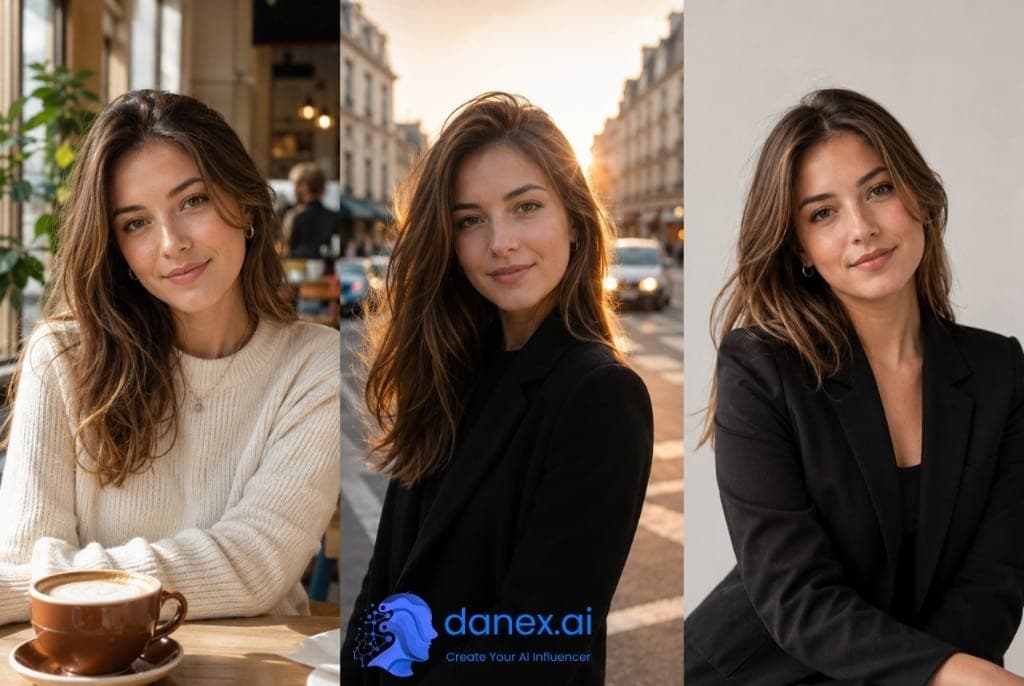
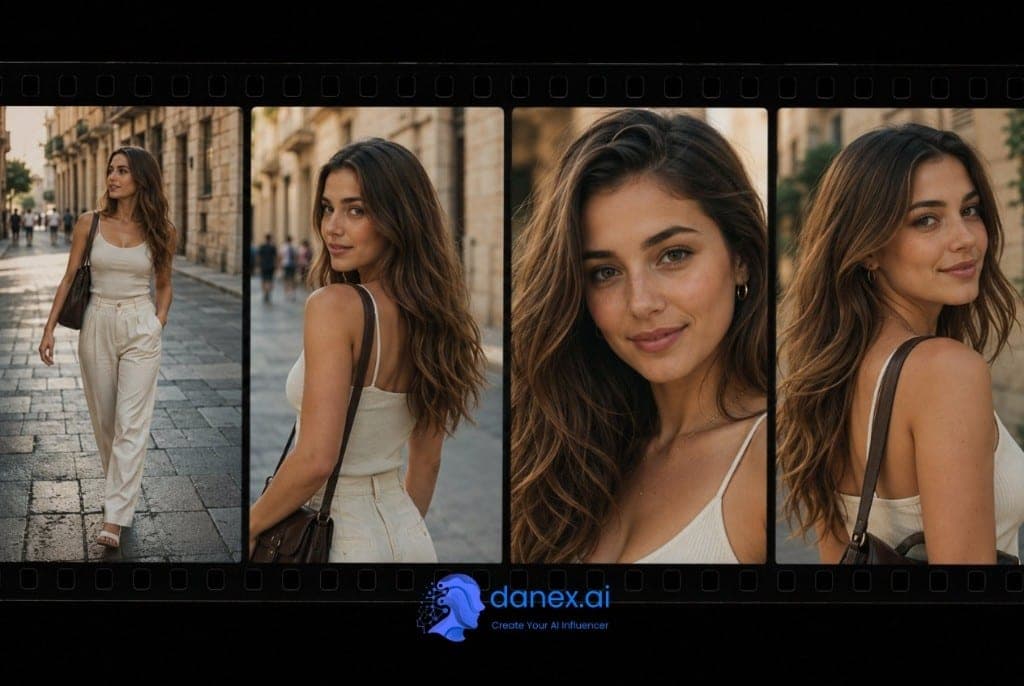
OpenAI image API character consistency uses reference images so custom pipelines keep one influencer identity across generations. It fits teams already automating stills via API. Danex AI Influencer Generator then handles persona ops, Viral Trend Studio, and multi-network publishing around those assets.
TL;DR: OpenAI image API character consistency
The OpenAI image generation API can keep a character recognizable when you feed it strong reference images and write prompts that say what to preserve vs what to change. Official docs cover generate + edit flows, multi-image references, and identity-sensitive edits on GPT Image models. That is useful for AI influencer pipelines - but it is still an API, not a social media operating system. Danex.ai is the softer path when you want persona reuse and publishing without wiring every call yourself.
On this page: OpenAI image API character consistency
- Why people search for OpenAI character consistency
- What the official image API actually offers
- Reference images and identity preservation
- Prompt patterns that reduce face drift
- A builder-friendly consistency checklist
- Limits you should plan for
- When to use the API vs an influencer platform
- FAQs
Why people search for OpenAI character consistency
If you are building an AI influencer, ChatGPT-style answers often send you to "official OpenAI image generation docs" plus keywords like character consistency and reference images.
The usual case: you tried text-only prompts and the character morphs every run. Or you are wiring an app and need the API to keep the same face. Or you want something more controllable than a Discord bot for production assets.
All three are fair. OpenAI's image stack is strong at instruction following and edits. Consistency still takes process - not just picking the newest model name.
What the official image API actually offers
OpenAI's image generation guide describes GPT Image models (including recent gpt-image-* generations) for:
- Creating images from text
- Editing existing images
- Generating new images that use other images as references
- Masked edits when you only want part of an image changed
In practice, character consistency on the API is mostly a reference + prompt problem:
- Pass one or more input images that define the person
- Tell the model which image is identity, which is outfit, which is style
- Spell out what must stay identical across the new scene
Official cookbook material leans hard on multi-image workflows for stories and recurring characters: keep a "character anchor," then ask for new scenes without rewriting the whole appearance from scratch.
Depending on model generation, you may also see guidance around input fidelity for face/logo preservation on edit endpoints. Newer GPT Image defaults already push high-fidelity handling of image inputs - always check the current parameter table in the docs for the model you call, because flags change between generations.
Reference images and identity preservation
Think of references as casting, not decoration.
Good identity anchors
- Tight crop or clear portrait of the same person
- Stable lighting
- Face mostly unobstructed
- Resolution high enough that features are readable
Weak anchors
- Tiny face in a busy street photo
- Heavy filters that hide bone structure
- A different "cousin" face every batch
When you send multiple images, label them in the prompt. OpenAI's prompting guidance is explicit about this: refer to Image 1, Image 2, and assign jobs.
Example shape (conceptual, not a lock-in SDK snippet):
Image 1 is the character identity. Preserve face geometry, hair color, and age.
Image 2 is outfit reference only.
Scene: the same person from Image 1 sitting in a Tokyo cafe at dusk.
Do not change facial features. Change only location, lighting, and pose.
That "preserve / change" split is half the battle. Models drift when every sentence re-describes the face in conflicting ways.
Prompt patterns that reduce face drift
A few patterns show up again and again in solid API workflows:
1. Character block + scene block
Keep a reusable paragraph of identity traits. Paste it into every request. Then add a short scene paragraph underneath. Do not rewrite identity from memory each time - that is how brown eyes become hazel.
2. Explicit non-goals
Say what not to do: "Do not alter facial structure. Do not change eye color. Do not rejuvenate the face."
3. Edit instead of regenerate when possible
If you already have a strong frame, edit the background or wardrobe rather than rolling a brand-new lottery ticket. Edits with a clear mask (where supported) keep more of the original identity by construction.
4. Review in grids, not singles
API demos love one hero image. Production needs ten. Approve a batch against the anchor. If three look off, fix the prompt or reference before you schedule a week of posts.
A builder-friendly consistency checklist
Use this when you are shipping influencer stills from the OpenAI image API:
- Store one canonical identity image (and optionally a body/outfit sheet)
- Version your prompt templates in git - not in Slack
- Always name input images by role in the prompt
- Prefer portrait sizes that match the destination feed
- Log seed/request IDs when the API returns them so you can debug weird runs
- Human-review anything that will represent the brand publicly
If you are not a builder, you probably do not need this checklist. You need a UI that already stores the persona.
Limits you should plan for
OpenAI is candid in its own docs: even strong models can struggle with perfect recurring-character consistency across many generations. Composition control is better than older systems, not magic.
Other real-world frictions:
- Reference-heavy edit calls can cost more in image input tokens
- Latency climbs on complex prompts
- Text in-image is improved but still not something to bet a whole brand mark on
- An API does not schedule TikToks for you
So if your only goal is "same face, new cafe, post tomorrow," a full platform may beat a weekend of glue code.
When to use the API vs an influencer platform
Use the OpenAI image API when:
- You are embedding generation inside your own product
- You need custom pipelines, QA hooks, or brand tooling
- Engineering time is cheaper than switching tools every quarter
Use a platform like Danex AI when:
- You care more about shipping an AI influencer than maintaining image jobs
- You want Generate AI Persona, scene tools like Be Anywhere You Want, and auto posting without building them
- Consistency should live at the persona level, not only at the HTTP request level
Neither path bans the other. Some teams prototype looks with an API, then run the public account on a creator platform. Calling an endpoint is not the same as having a posting calendar.
For the bigger create-from-scratch path, start with How to create an AI influencer.
OpenAI image API character consistency FAQs
Does the OpenAI image generation API support character consistency?
Yes, mainly through reference images, edit flows, and careful prompting. Official guides emphasize identity preservation for faces and multi-image character workflows. It is not a one-click "lock this influencer forever" switch.
Should I use generate or edit for the same AI influencer?
Generate when you need a new composition from scratch. Edit when you already have a strong identity frame and want controlled changes. Many consistency-sensitive pipelines lean on edits + references once the face is approved.
How many reference images should I send?
Enough to cover identity (and optionally outfit/style), not so many that roles get confusing. Official prompting advice: label each image and say how they interact. Clarity beats dumping a folder.
Is input_fidelity still required?
It depends on the model generation you call. Some earlier GPT Image edit flows documented an input_fidelity control for face/logo preservation. Newer defaults may already process image inputs at high fidelity - confirm against the live OpenAI image generation docs for your model.
Can Danex AI replace building on the OpenAI API?
For most creators who want an AI influencer account, yes in spirit: you get persona-centric generation without maintaining API glue. If you are building software on top of image models, keep the API. Soft fit either way - pick based on whether you are shipping a product or shipping posts.