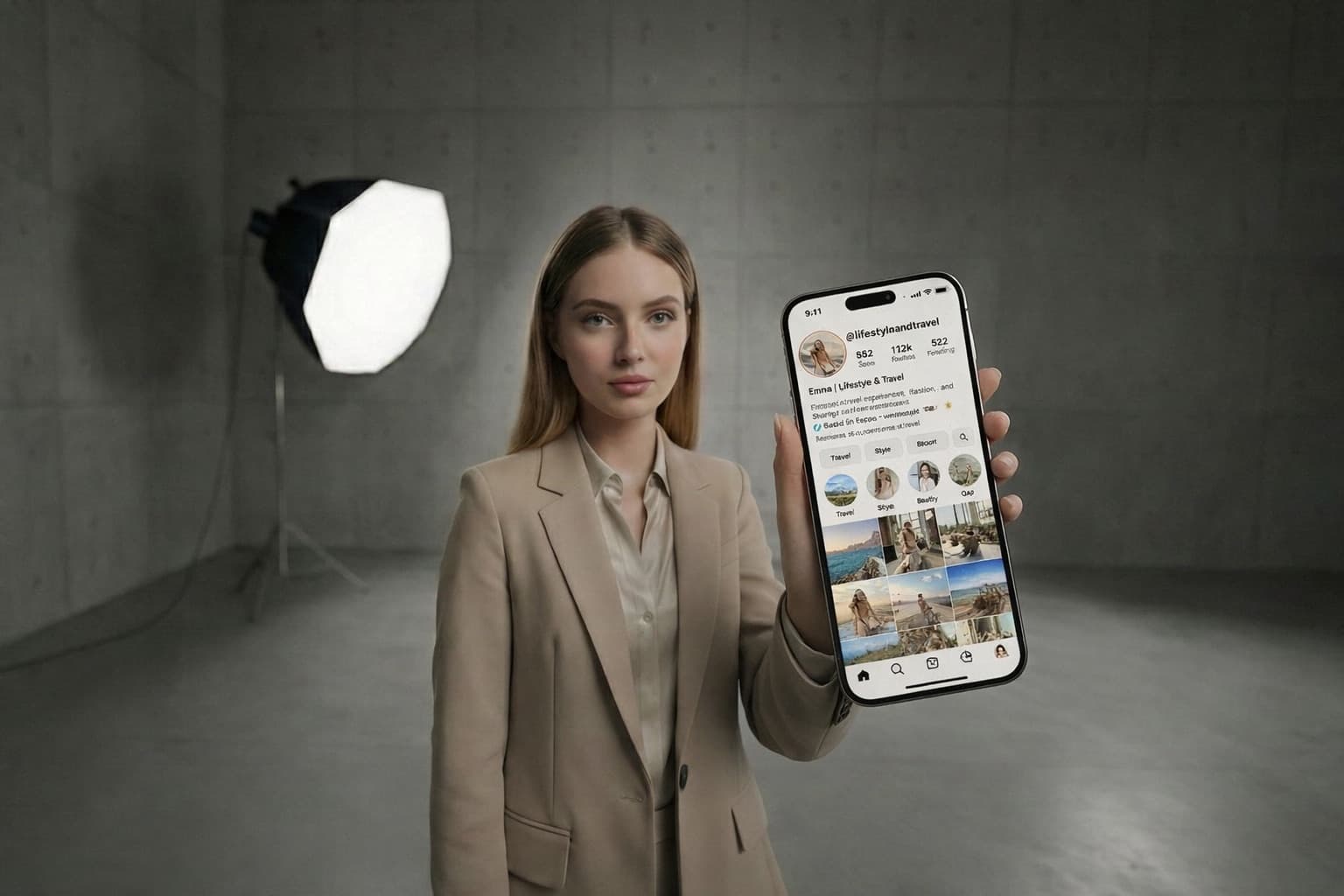
AI Influencer Marketing Guide for Modern Brands
By Emre Danisan · Founder of Danex AI, Artificial Intelligence Expert
Explore the future with AI influencer marketing and discover how it simplifies content production and enhances campaigns.
TL;DR: AI influencer marketing
AI influencer marketing helps brands publish consistent, on-brand influencer-style content without creator delays or unpredictable costs. You define a virtual influencer once, generate images and captions on your timeline, and reuse the same persona across campaigns. Danex.ai bundles persona creation, scene generation with Be Anywhere You Want, and Auto Posting into one workflow. Most teams blend AI influencers with human creators - AI for steady output, humans for storytelling spikes.
AI influencer marketing didn't arrive as a keynote. It showed up in the gaps. Experiments. Side projects. Then real teams using it because outreach was slow, creators missed dates, and half the assets came back needing a rewrite.
You're probably not here because virtual influencers are cool. You're here because production is stuck. This guide is how the workflow actually runs, where it fits next to human creators, and why some brands already moved budget while others wait.
On this page: AI influencer marketing
- What is AI influencer marketing
- How AI influencer marketing works in practice
- AI powered influencer marketing vs traditional
- Why brands are using AI influencer marketing
- The role of an AI influencer for marketing teams
- Benefits of AI influencer marketing
- Common use cases
- Risks and limitations
- Ethics and disclosure
- How to build a strategy
- Tools used in AI influencer marketing
- Is it right for your business
- The future of AI influencer marketing
- Guide for beginners
- FAQs
What is AI influencer marketing
You use AI-generated characters to make influencer-style content. They aren't people. They're designed to feel familiar enough to read as a creator, and locked down enough to stay on brief.
Same jobs you'd give a human: product photos, feature explainers, a simple brand story over time. The difference is ownership. You own the influencer, the files, the calendar, the direction.
Most teams that try this keep humans too. Big moments still want a real person. The generated persona covers the steady, repeatable posts so the campaign doesn't stall waiting on a shoot.
How AI influencers are different from human influencers
Predictability. A human creator is great when the week goes well. Availability, mood, a personal-brand pivot, a public mistake: those become your problem once money changed hands.
An AI influencer follows the brief. Stays on message. Doesn't post off-brand because Thursday felt like a mood.
Pace is the other gap. Not instant. Fast enough that a launch doesn't sit in Slack for a week. Small teams feel that first.
Long term: a human is building their own brand. The AI influencer is building yours.
What makes AI powered influencer marketing possible
A few tools got good at the same time. Image models that survive a fast scroll. Language models that can write a caption that doesn't sound like a press release. Video that can move a face without the horror-movie mouth.
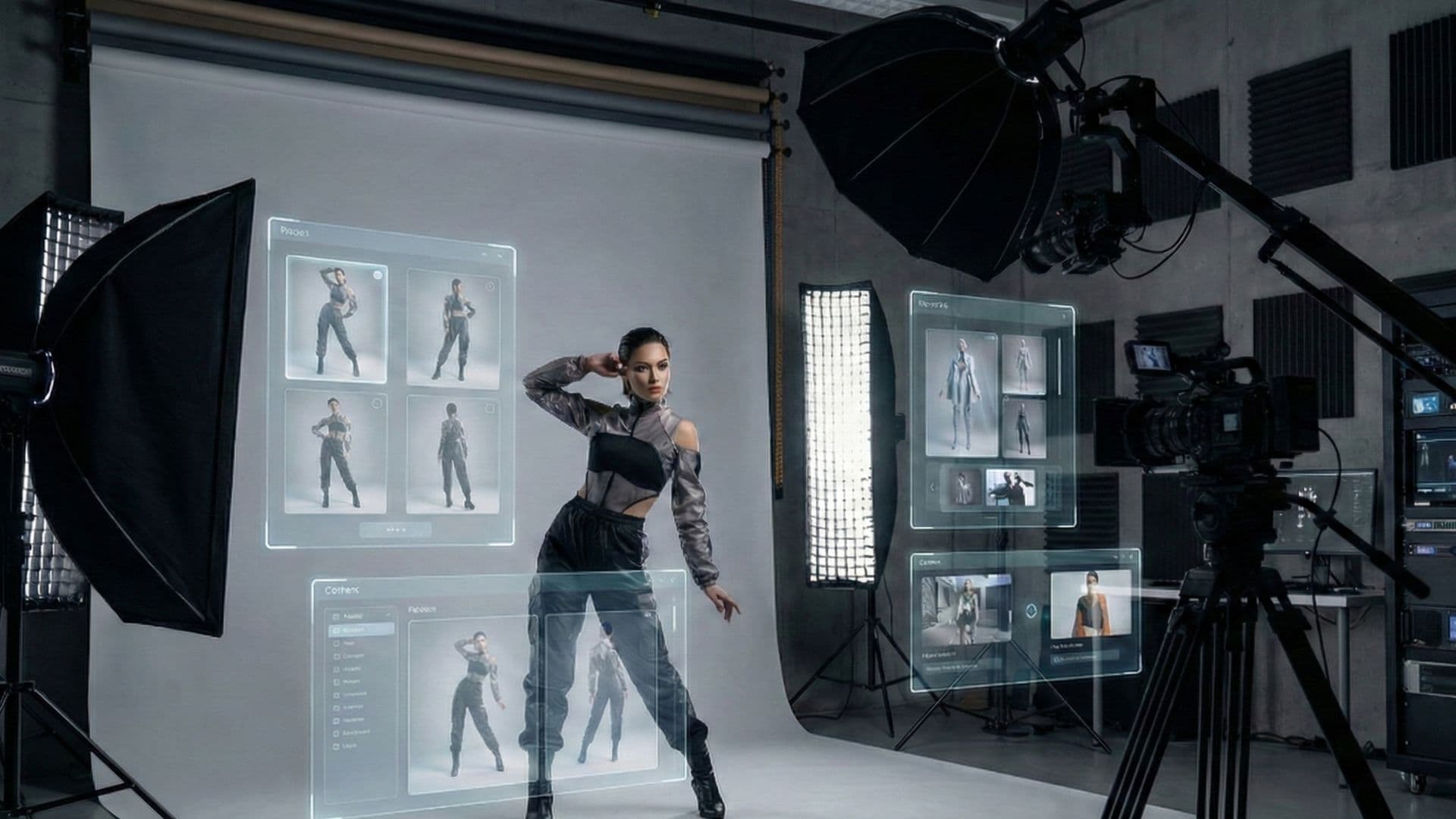
Alone, they're a mess. Together, they're a workflow. Platforms like Danex AI bundle that so a marketing team can define the influencer once and reuse it. You're not here to mash buttons. You're here to delete the steps that make you late.
Data models and content generation
These characters sit on models trained on faces, poses, styles, language. That's how you get the same look and the same tone, post after post. Most campaigns need that more than they need a surprise.
Automation in campaign planning
Formatting captions. Resizing for each app. Scheduling. None of that is strategy, and it still eats the afternoon. When it goes away, you plan instead of chasing files.
How AI influencer marketing works in practice
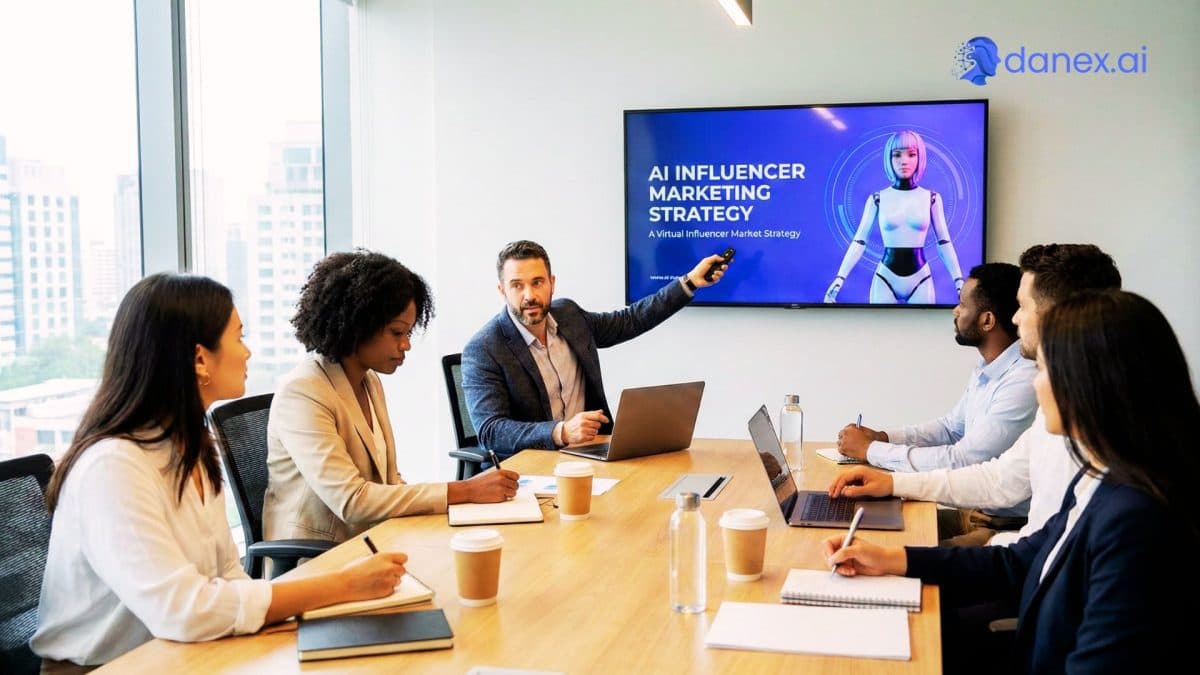
Start with the job, not the logo of a tool. Awareness, education, product support, launch coverage. Pick one. Design the influencer around that: look, age range, tone. Map themes. Keep it plain.
Generate in batches or as you go. A human still reviews. You just work on your clock instead of a creator's.
Creating an AI influencer for marketing use
This step is where it works or dies.
No role, and you get a generic face. The ones that land are specific: a friendly guide, a product expert, casual, or sharp and minimal. Once that's locked, production speeds up because you're directing an asset, not inventing a person every Monday.
Content creation and publishing flow
Plan topics. Generate. Someone checks. Publish.
No three-day revision thread. No "just circling back." That's why teams stay.
Images, short videos, and captions
That's most of social. It doesn't have to be brilliant. It has to be on-brand and on time.
Multi platform posting basics
Each app wants its own crop, caption length, and vibe. A decent workflow adapts without a new shoot. That time adds up faster than people admit.
AI powered influencer marketing vs traditional influencer marketing
Humans bring a life and a story. AI influencers bring a system you can schedule. Use each where it fits.
Cost and production differences
Traditional campaigns stack: fees, usage, revisions, rush. AI influencer marketing has setup cost, then production that doesn't wander. Forecasts get honest. Finance notices.
Control, consistency, and scale
You define the message once. You don't negotiate it per post.
Scale becomes a process problem. If it works for one campaign, it works for ten.
Brand safety and message control
No off-script posts. No surprise controversy. Review happens before the public sees it. Regulated categories care a lot.
Long term campaign stability
Long rollouts die when the creator gets bored or rebrands halfway. An AI influencer doesn't. Boring on purpose.
Why brands are using AI influencer marketing
Content demand went up. Headcount didn't. Weekly posting lost. Waiting two weeks for assets lost. Algorithms pay you for showing up.
AI influencers are how you keep up without frying the team.
Demand for constant content
Miss weeks, lose reach. A generated persona fills the holes without panic-posting at 11pm. Plan ahead. Stress drops.
Pressure to reduce campaign costs
Budgets shrink while the brief stays huge. Output stretches without the spend stretching. Not free. Predictable.
Internal teams vs creator reliance
Full creator dependence means their calendar owns yours. AI influencers pull that back in-house.
The role of an AI influencer for marketing teams
Treat it like a long-term asset on the team. It supports launches, explains updates, repeats the brand voice. It doesn't replace the strategy doc. It runs the parts of the plan that used to stall.
Brand awareness campaigns
Awareness is repetition. These personas repeat without wandering off-message.
Product and feature education
Explaining a feature for the fortieth time is a human's least favorite job. The AI influencer doesn't get tired of the basics.
Evergreen content use
Refresh the visual. Keep the message. Evergreen stays useful.
Seasonal campaign support
Seasons move fast. You adapt without a new contract.
Benefits of AI influencer marketing
The win is operational. Predictable output. Stable messaging. Campaigns that don't freeze on missing files. Fewer variables in the plan.
Also: less chasing. Fewer surprises. Hours back for actual strategy.
They don't fix a bad offer. If you care about control and steady execution, they take a lot of stupid friction out. When that noise dies down, the work usually gets better.
Common use cases for AI influencer marketing
Where does this work on a normal Tuesday. Not in a slide.
Anywhere the same message has to go out often, fast, without a new story every time.
Ecommerce and product brands
Catalogs never stop. Product photos, feature beats, seasonal drops, reminders.
An AI influencer can wear the product without a booking. Sit in a lifestyle scene without a location fee. Explain a benefit without rewriting the same caption ten times. Big catalogs stop playing favorites with SKUs just because the shoot budget ran out.
Mobile apps and SaaS tools
Onboarding tips. Feature updates. Small value reminders. Human influencers rarely want that beat forever. It's repetitive. That's the point.
One feature per week. Short posts. Plain language. After a quarter, the audience actually knows the product.
Onboarding content
Calm, clear, same guidance every time. Tone drift is how users get lost.
Feature updates and releases
Skip the one giant announcement. Roll features out one post at a time so they stay visible.
Content-heavy niches
Fitness tips. Beauty routines. Education. Volume is the job. Most posts just need to exist and help. Viral is optional.
Risks and limitations of AI influencer marketing
Anyone who says there's no risk is selling.
The risks are different from a human creator. They're still real.
Audience trust concerns
Some people are curious. Some are uncomfortable. Transparency decides which way it goes. Passing a generated persona off as a real person is how you lose the room. Being open usually does better.
Disclosure and transparency issues
Not optional. Platforms are tightening. Audiences are better at spotting this. Label it. You skip a later fight.
Platform policy compliance
Rules differ by app. Ignore them and you bought avoidable risk. Structured tools help. Danex AI makes labeling and review easier to keep consistent.
Ethics and disclosure in AI influencer marketing
This shows up in comments and in whether anyone believes you next year.
Simple test: are you tricking people, or informing them.
Labeling AI generated content
Labels don't kill performance the way brands fear. Honesty often helps, because people aren't busy interrogating the face.
People can handle AI. They hate the con.
Building trust with transparency
Set the expectation. Then they can hear the message. That compounds.
How to build an AI influencer marketing strategy
A tool with no plan is an empty account. The process can stay small.
Defining goals and success metrics
One goal. Awareness, education, or traffic.
One success measure. Engagement, clicks, or saves. Not all of them. Focus is how the content stays useful.
Choosing the right AI influencer style
Tone, visuals, posting rhythm. Friendly-casual or calm-professional. Both work if they match the people you sell to.
Tone, look, and posting rhythm
Too often is as bad as too quiet. Generators make volume easy. Restraint is still your job. Consistency beats a flood.
Tools used in AI influencer marketing
Bad setup creates busywork. Good setup disappears.
AI influencer creation tools
Visuals and voice. How they look and sound. Danex AI is aimed at repeatable, not flashy.
Content and campaign management tools
Calendars. Approvals. Asset libraries. Skip these and the "simple" workflow turns into chaos by week three.
Is AI influencer marketing right for your business
Ask this before you buy.
It fits ongoing, structured content. It struggles when the whole brand is someone's lived story.
When it makes sense to use AI
Speed, consistency, control. A stretched team. Real content gaps.
When human influencers still work better
Storytelling, opinion, community. AI doesn't take that. It sits next to it.
The future of AI influencer marketing
What's out there now is the rough cut. Useful. Obviously unfinished. The next few years are polish, rules, and fitting this into normal marketing work.
Realism will mean behavior, not just skin. Same opinions. Same preferences. Same way of explaining a thing. That's what makes an account feel like a personality over months.
Regulation will tighten. Disclosure will be standard. Brands that already label will shrug. Brands that hid will scramble. That quietly cleans the category.
Measurement will grow up too. Early tests chased likes. Mature teams will watch retention, saves, assisted conversions. Experiment to performance layer.
Tools follow that. Danex.ai is already aimed at real workflows instead of demos. Fewer gimmicks. Reliability that looks boring. That's usually the healthy version.
More realistic AI influencers
Same posture. Same phrasing. Same caption rhythm. When that settles, people stop poking at "is it AI" and start reading the post.
Tighter platform rules and standards
Rules won't kill this. They'll make it normal. Standards help you plan and help the audience trust the grid.
AI influencer marketing guide for beginners
Don't do everything at once.
One influencer. One goal. One platform. Learn the workflow. Then expand. Skip virality. Hit consistency.
Common mistakes to avoid
Overproducing because generation is cheap. Feeds hate a flood. Vague direction, so the content feels empty. Skipping review. Speed still needs a human.
What to expect in the first months
Tuning. Tone. Visuals. Watching how people react. It improves gradually. Teams that wanted a spike in week one tend to quit right before it gets useful.
Start with one persona on Danex.ai. If you sell direct, the companion piece is AI Brand Ambassador for DTC Brands.
AI influencer marketing FAQs
Can AI influencers replace human creators?
No. They replace certain tasks, not people. Human creators still lead in storytelling, opinion, and community building. AI influencers handle repetition, structure, and scale.
Do audiences know when an influencer is AI?
Often, yes. And that is fine. Transparency builds trust. Trying to hide it usually causes more harm than good.
Is AI influencer marketing legal?
In most regions, yes, as long as disclosure rules and platform policies are followed. Brands should always review local regulations and platform guidelines.
Does AI influencer marketing work for small businesses?
It can. Small teams often benefit the most from predictable workflows. The key is starting with realistic goals.
Will AI influencers hurt brand authenticity?
Only if they are used poorly. Authenticity comes from honesty and consistency, not from whether a face is human.
How long does it take to see results?
That depends on goals. Awareness campaigns take time. Educational content compounds slowly. Expect gradual improvement rather than spikes.
What is AI influencer marketing?
AI influencer marketing is the use of AI-generated virtual characters to create influencer-style content for brand campaigns. The brand owns the persona, content, and schedule - unlike human creator partnerships where availability and messaging vary.
How does Danex AI fit into AI influencer marketing?
Danex.ai lets you create a marketing-ready AI influencer with Generate AI Persona, produce campaign visuals in Be Anywhere You Want, and maintain publishing rhythm with Auto Posting - all from one dashboard.