AI Fashion Model Generator: The Smart Way to Redefine Fashion Marketing
By Emre Danisan · Founder of Danex AI, Artificial Intelligence Expert
AI Fashion Model Generator for creating fashion model images and videos without traditional shoots, ideal for brands and marketing teams
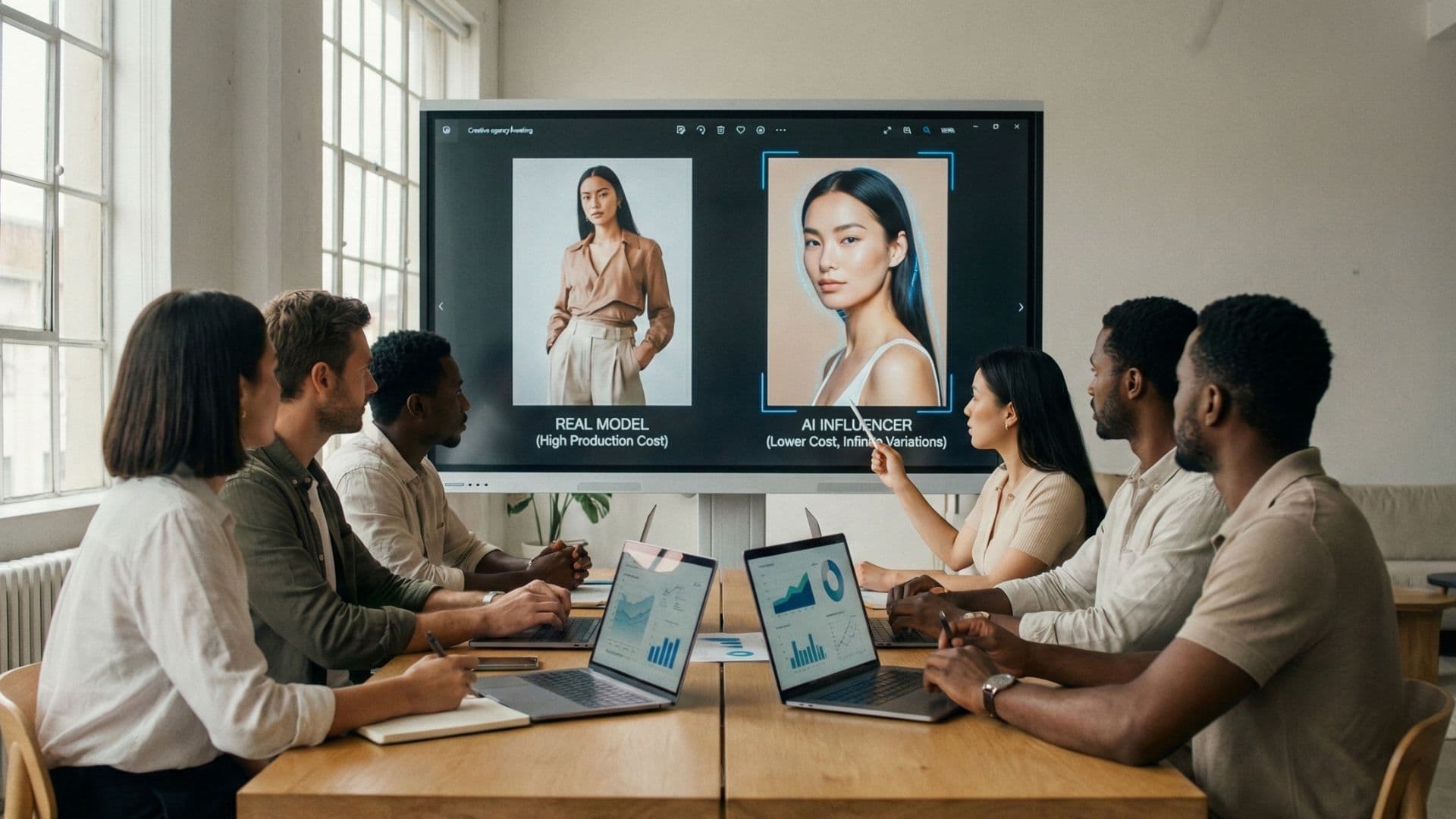
An AI fashion model generator creates photorealistic digital models for garments, lookbooks, and social campaigns without traditional shoots. Danex AI Influencer Generator keeps one model identity consistent, then extends into product scenes, trends, and publishing for brands that need more than a single still.
TL;DR: AI fashion model generators
An AI fashion model generator lets brands create photorealistic digital models, style garments, and produce campaign visuals without traditional photoshoots. Danex.ai makes this practical for fashion houses and independent designers alike - realistic models, consistent brand identity, and campaign-ready output in hours instead of weeks. Use it for product showcases, lookbooks, social campaigns, and influencer-style content at a fraction of shoot costs.
You already know the visual tax. Right face, right pose, right light, or the garment dies in the grid. A traditional model shoot burns calendar and cash before anyone sees a single usable frame. Casting. Travel. Weather. A no-show. Then retouching.
An AI fashion model generator cuts that wait. You keep the styling call. Danex.ai is how fashion houses and independent designers generate realistic models, dress them, and ship campaign stills in hours instead of a six-week production stack.
On this page: AI fashion model generators
- Why fashion brands are turning to AI models
- Creative control in your hands
- Use cases that make sense
- Honesty about limitations
- Ethics and authenticity in AI modeling
- The business case
- Integrating into marketing workflows
- Maintaining brand consistency
- Real-world example
- How realistic can AI be?
- Why this isn't just for big brands
- Balancing AI and human creativity
- Data and privacy
- A practical next step
- FAQs
Why fashion brands are turning to AI models
Collections turn over every few weeks. If your shoot calendar is three weeks long, the drop already moved.
You can generate a digital model, put the new jacket on it, and have a grid-ready still before lunch. No call sheet. No makeup chair. No flight.
Danex.ai is the accessible version of that. Large houses and solo designers both use it to generate realistic models, style them, and show product without paying studio rates every time the line updates.
Why traditional fashion shoots fall short compared to an AI fashion model generator
A live shoot is a pile of moving parts. Casting. Lighting. Direction. Post. One cancellation and the day is gone.
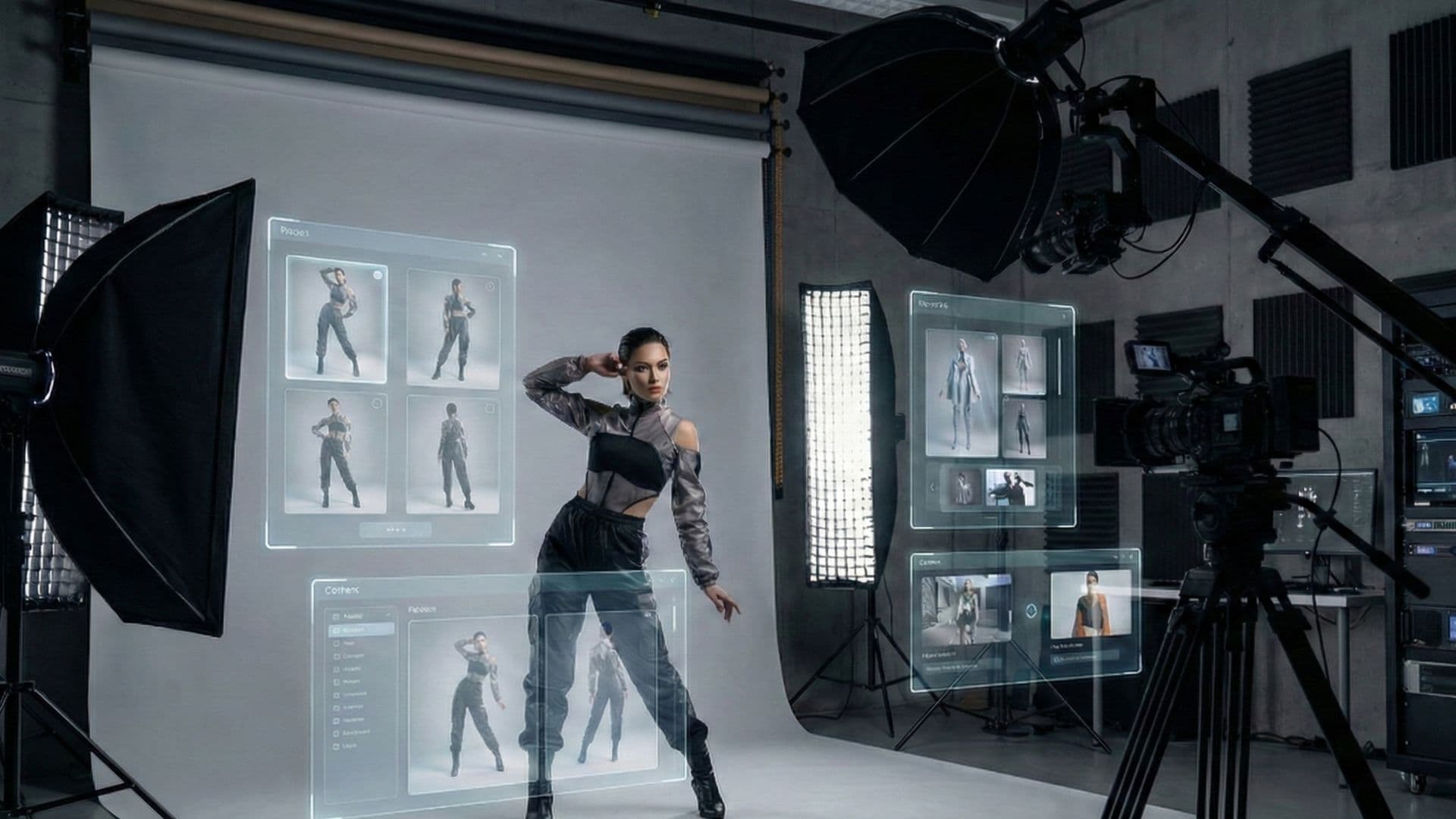
With an AI fashion model generator, you stop managing a set and start directing the look. You pick the pose, the body type, the room. The generator renders. Your stylist still owns the garment story. Your art director still kills the bad frames.
Realism isn't optional anymore
If the model looked fake, nobody would buy this. Skin texture, shadows, and small facial movement are good enough now that a fast scroll doesn't give it away. Customers don't award points for "real human." They decide whether the outfit looks wearable.
Mood still matters. A plastic mannequin face kills a luxury drop even if the fabric is perfect. Danex.ai is built for characters you can reuse, not a new stranger every render.
Lowering costs without sacrificing quality with an AI fashion model generator
You drop the shoot bill - travel, studio, talent day rates - and you keep the creative veto. That's the actual trade.
Danex.ai gives you natural poses, usable lighting, and backgrounds that can hold a brand look: quiet studio, or a runway frame if that's your language. One generated session costs a fraction of a full production day. Startups feel that first. Established labels feel it when they need ten colorways, not one hero shot.
Creative control in your hands
On a real shoot, the files are the files. You can't relight Tuesday's set on Thursday.
You can. You restyle the same model, change the pose, swap the expression, drop in a new background. A summer collection can live in daylight for the lookbook, then the same garments in an evening setup for the event campaign. On Danex.ai that's a few generations. No second booking.
Photographers aren't the enemy here. Your team gets more looks to choose from before anyone books a studio.
From idea to campaign in hours
Great campaigns stall in the production queue. You can go from a sketch to testable stills in a day. Rapid comps. Fast A/Bs. Kill the weak direction before you spend on a real set.
Influencer-style frames used to mean waiting on a creator's calendar. You can mock the campaign look first, then decide whether the partnership is even worth the fee.
Danex.ai is built for marketers, stylists, and content people, not a CG department. If you've sat on a three-day Photoshop round, you'll feel the difference.
Use cases that make sense
Product showcases
Show a new collection or a single accessory on models that match your brand. Customize for different regions or audience slices without recasting.
Influencer content simulation
Before you pay for a partnership, generate what influencer-style frames would look like on your product. You're preparing the visual, not faking an endorsement.
Social media campaigns
Trends move daily. You can ship platform-ready images without a new shoot every time the audio changes.
Lookbooks and catalogs
Printed lookbooks used to freeze a season. Generate, update, keep the catalog current while the identity stays locked.
Honesty about limitations
Fabric physics still slip. Silk, mesh, tiny hardware. Lighting sometimes needs a human pass. Treat that as editing, not a reason to skip the tool.
Danex.ai already includes post-adjustment so your team can fix the frame instead of starting over. You're directing. The generator is not a one-click campaign.
Ethics and authenticity in AI modeling
Be clear about what you're showing. Hiding the method is what gets brands in trouble, not the method itself.
Danex.ai is for defined commercial personas, not stolen faces. Tie each model to a style, a campaign, a job. Then you can put them forward as digital ambassadors without pretending they have a passport.
The business case for using an AI fashion model generator
A small fashion shoot runs $5,000 to $10,000. A large campaign adds another zero. Multiply by every drop and the number gets stupid. Early adopters are seeing visual production costs drop by up to 90%.
That money doesn't vanish. It moves into strategy, copy, and distribution. Start with one campaign. Compare the stills to last season's shoot. Then decide.
Integrating an AI fashion model generator into existing marketing workflows
You already have a chain: design → art → marketing. The generator sits in the middle. It doesn't blow the chain up.
A setup that actually ships:
- Design uploads sketches or finished garments.
- Creative generates several model looks in Danex.ai: poses, body types, lighting.
- Marketing picks winners and drops them into campaign drafts.
You still review. You still art-direct. You lose the week of emailing the studio for "one more angle."
Maintaining brand consistency
Different photographers, different models, different rooms - and six months later nothing looks like the same label.
Lock the face once. Skin, hair, proportions, the default expression. Reuse it. Danex.ai lets you save model presets, so the same person wears the new drop without becoming a different stranger. Lighting and context can still move. The viewer should still know it's you in one second.
Collaboration between creative teams and AI fashion model generators
Your designer still sets the vision. Stylists still set the mood. Art directors still pick the frame. You generate ten angles instead of arguing about two. Then you pick.
That's the job split: humans own why it should exist. The generator handles pose and render speed.
Real-world example: a mid-sized fashion label
Fall campaign, old way: book talent, book a studio, wait a month on prep, then retouch. Six weeks, easy.
Same team on Danex.ai builds a virtual face that matches their shopper, then produces hundreds of styled frames in a day. A few hours later they've already previewed which stills work on social.
Same direction. Same people. About a tenth of the calendar. Smaller labels that couldn't afford weekly shoots now keep a campaign cadence. Larger ones test ideas before they spend on a physical set.
How realistic can an AI fashion model generator be?
People ask if it looks real.
On a good prompt, yes. Danex.ai isn't a flat collage. Lighting direction, surface reflection, skin micro-detail, how the garment sits. Photo-grade when you give it a clear brief.
Silk and mesh still need a human pass. Some poses need a reroll. For the shopper, a frame that feels real carries the same weight as a studio photo. Disclose that it's generated and you look careful, not sneaky.
Why this technology isn't just for big brands
You don't need a production crew. If you can type "a tall model wearing a minimalist linen dress in studio light," you can generate it.
Boutique designers, small agencies, solo stylists. You still won't have a conglomerate's media budget. You can look like you belong next to them in the grid. That speed is how a small label actually ships more tests than a house still waiting on a studio day.
Finding the right balance between AI fashion model generators and human creativity
Fashion is still texture, taste, a feeling in the room. You don't automate that.
Danex.ai leaves the knobs with you. Pose, setting, a little mess in the frame if you want it. When the generator does the render grind, your people get art direction and story back. That's the point of using it.
Data and privacy considerations
These systems learn people, cloth, and pose from data. You want that data sourced on purpose.
Danex.ai generates from proprietary datasets built for fashion and commercial use, not scraped public photos. Agencies care about that as much as the still. Unauthorized likenesses and bias fights are expensive. This setup is meant to keep you out of that mess.
A practical next step
If you own the visuals, make one test model this week. Generate a few campaign ideas. Hold them next to last season's shoot.
Don't roll out a new "AI process" in a kickoff deck. Just look at the frames.
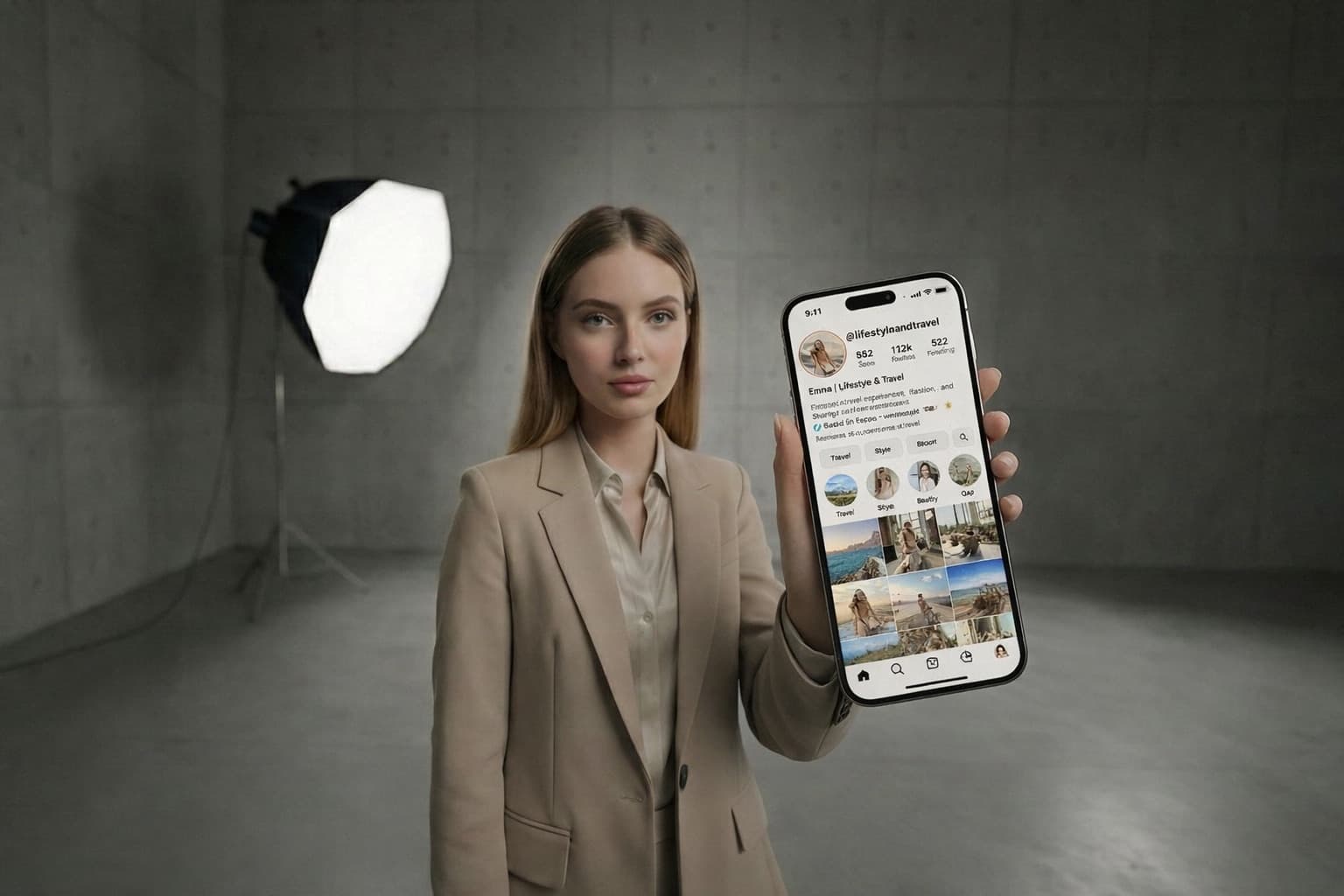
You can lock a virtual model once, then reuse it across stills and, when you're ready, motion. Same identity. Faster calendar.
AI fashion model generators FAQs
What is an AI fashion model generator?
An AI fashion model generator is a platform that creates photorealistic digital models wearing your garments or accessories - without booking studios, photographers, or talent. Tools like Danex.ai let fashion brands produce campaign visuals, lookbooks, and social content on demand.
Can AI fashion models look realistic enough for commercial use?
Yes. Modern generators produce skin texture, natural lighting, and garment interaction at photo-grade quality. Danex.ai focuses on believable characters with consistent identity across campaigns - not obviously synthetic renders.
How much can an AI fashion model generator save compared to traditional shoots?
Early adopters report cost reductions of up to 90% on visual production. A small fashion shoot can run $5,000–$10,000; AI generation replaces much of that logistics spend while reallocating budget toward strategy and creative direction.
Do I need technical skills to use Danex.ai for fashion content?
No. Danex.ai is built for marketers, stylists, and content teams - not engineers. Describe the look you want, generate variations, and refine results in a no-code dashboard. Start at onboarding in minutes with no credit card.
Is using AI fashion models ethical?
Ethical use comes down to transparency and purpose. Danex.ai encourages defined digital personas for commercial use rather than impersonating real people. Brands can present AI models as digital ambassadors with clear creative intent.
Can small brands and independent designers use AI fashion model generators?
Absolutely. Danex.ai was designed for accessibility - boutique labels, small agencies, and solo stylists can compete visually with larger houses without production teams or six-figure shoot budgets.
What's the best workflow for integrating AI into an existing fashion marketing team?
A typical flow: designers upload garments → creative team generates model looks in Danex.ai → marketing selects and approves for campaigns. Human art direction stays in the loop; AI removes production bottlenecks. Features like Be Anywhere You Want and AI Product Photography cover scene and product styling.